Spring Sports Pain Relief Laser Therapy

April 22, 2026

Share this article

HomeBlog

Spring sports can be a great reset for your routine—but the jump in practices, games, and weekend activity can also bring on nagging aches that don’t resolve with a couple days of rest. If you’re dealing with overuse pain from running, tennis, golf, pickleball, or recreational leagues, you’re likely looking for an option that supports recovery without invasive procedures. This is where a pain relief laser approach may fit into your plan—especially when you want to stay active while addressing the underlying irritation. This guide is for active adults and student-athletes’ parents who want practical, season-specific steps for managing common spring flare-ups and knowing when it’s time to get professional help.

As training volume ramps up in spring, small movement inefficiencies and tight tissues can add up quickly—so it helps to act early, adjust your workload, and use targeted strategies that support healing.

If you’re exploring local options, learn more about chiropractic alternatives like  pain relief laser in Athens, GA and how laser therapy sessions are typically structured for sports and overuse-related pain.

The Essentials for Spring Overuse Pain

  • Overuse pain is usually a “too much, too soon” problem —a rapid increase in activity can irritate tendons, joints, and soft tissue.
  • Laser therapy is non-invasive and is commonly used to support circulation and tissue recovery in targeted areas.
  • Earlier attention often prevents longer downtime —addressing symptoms when they’re mild can help you keep training more consistently.
  • Load management matters as much as treatment : small changes to volume, intensity, and rest days can reduce flare-ups.
  • Persistent, sharp, or worsening pain needs evaluation , especially if it changes how you walk, run, or swing.

How Sports Laser Therapy Supports Recovery

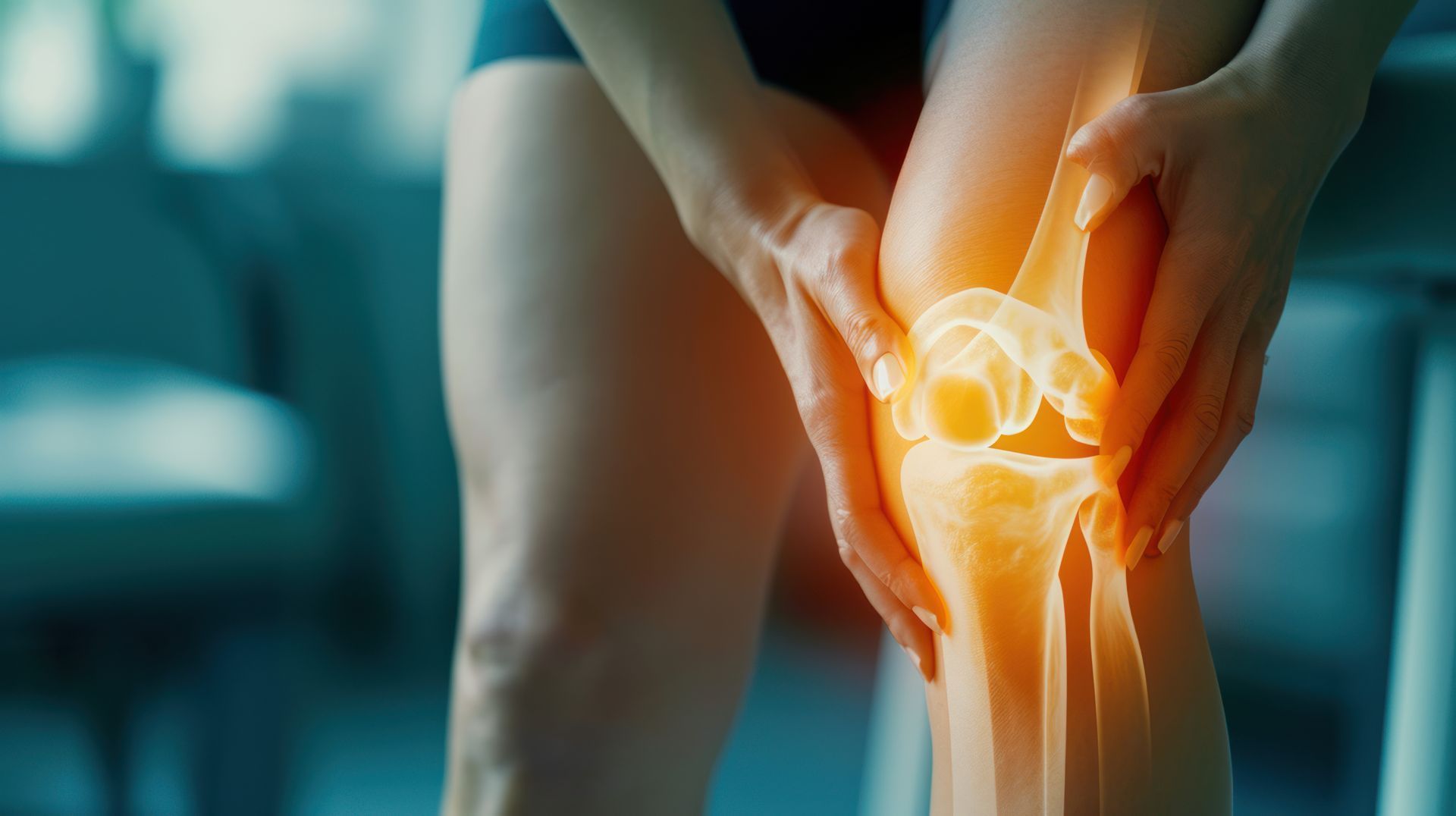
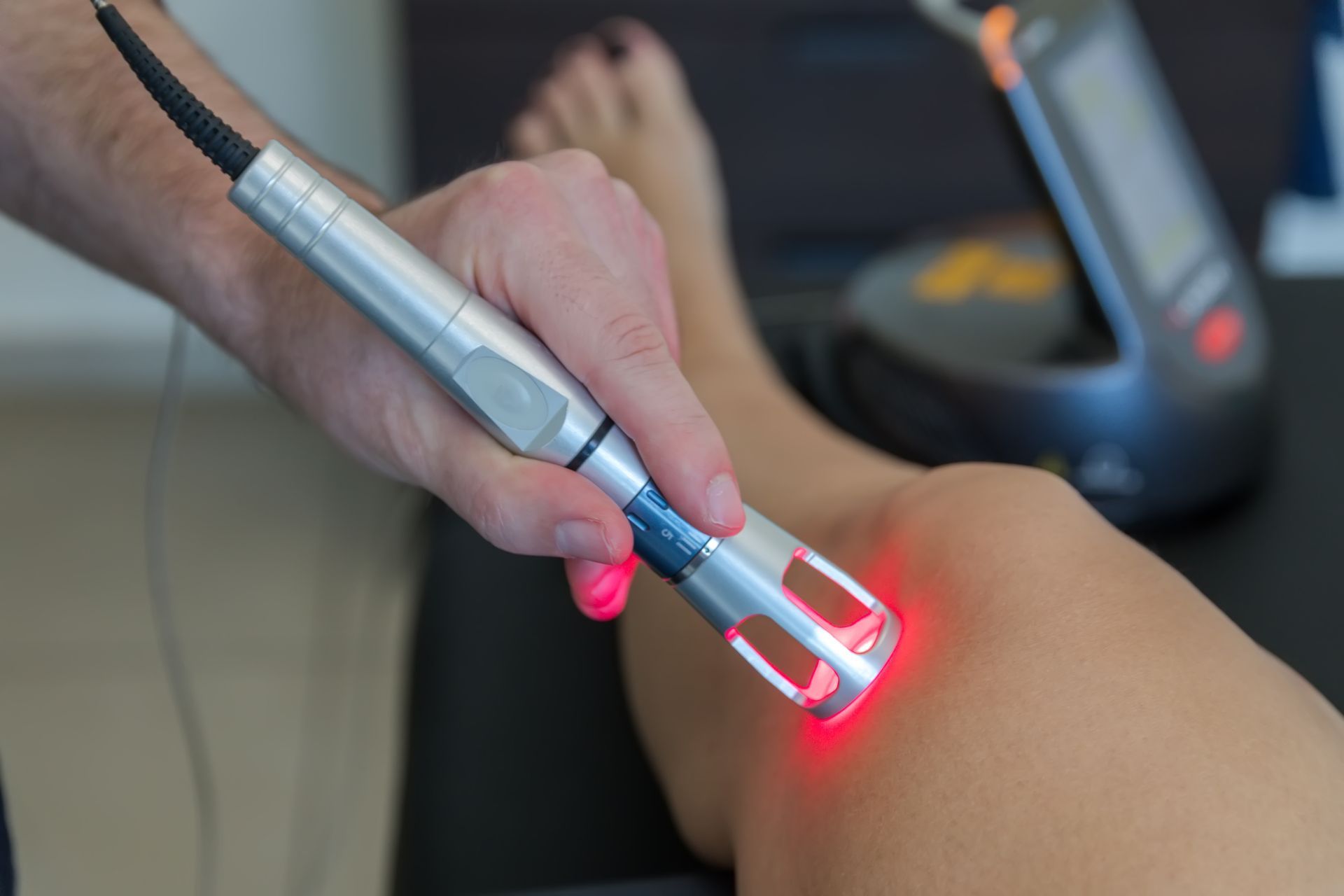
Sports and overuse injuries often involve irritated tissue that’s struggling to keep up with repeated stress—think tendons around the elbow, the plantar fascia under the foot, or the soft tissue around the knee. Class IV laser therapy (including Remy Laser Therapy) is a form of therapeutic laser used in clinical settings to deliver light energy to targeted areas. In plain terms, the goal is to support the body’s natural healing processes—often by helping with local circulation, calming sensitivity, and improving how the area tolerates movement.

A typical plan focuses on the specific structure involved (for example, Achilles tendon region vs. calf muscle vs. ankle joint). Sessions are usually brief, and many people choose laser therapy because it’s non-invasive and doesn’t require chiropractic adjustments or physical therapy appointments as part of the service.

Why Timing Matters During Spring Training

In spring, the biggest risk is momentum: once the season gets busy, people often push through pain until it forces a break. Waiting can affect more than comfort. It can change your mechanics (limping, guarding, altered swing), which may shift stress into other areas and create a second problem.

  • Performance: Pain can reduce power, speed, and confidence—especially with sprinting, cutting, throwing, or rotational sports.
  • Consistency: Missing practices or modifying every workout can stall conditioning gains.
  • Cost and time: Longer-lasting flare-ups may require more appointments and more time away from the activity you enjoy.
  • Safety: Compensations can increase the chance of strains or joint irritation elsewhere.

Common Spring Overuse Mistakes 

  • Ramping up intensity and volume at the same time — increasing mileage and speed work together is a common trigger for tendon and shin pain.
  • Ignoring “warm-up pain” — discomfort that improves after 10 minutes can still signal an irritated tendon that needs load changes.
  • Training through altered form — limping, shortened stride, or a guarded swing is a sign you’re reinforcing compensations.
  • Relying only on rest without a plan — a few days off may help temporarily, but symptoms often return if you resume the same pattern.
  • Overdoing self-treatment — aggressive rolling, stretching, or repeated icing can sometimes worsen sensitivity depending on the condition.
  • Waiting until pain is constant — pain that’s present at rest or at night is a clear sign to stop guessing and get assessed.

Your Spring Action Plan for Staying in the Game

  • Track your weekly workload (miles, matches, rounds, practices) and avoid sudden spikes; build gradually.
  • Use a 5–10 minute warm-up that matches your sport (brisk walk/jog, dynamic leg swings, shoulder circles, easy rallying).
  • Prioritize recovery days —include at least one lighter day after high-impact or high-intensity sessions.
  • Adjust before you stop : reduce intensity, shorten sessions, or swap in low-impact conditioning to stay active while calming symptoms.
  • Address the “hot spot” early —if pain is localized (elbow, knee, heel, low back), consider a targeted clinical option like laser therapy to support recovery.
  • Use a simple preparation checklist before each week starts:
    • Schedule: practices/games + at least one recovery day
    • Gear check: shoes/supports still appropriate and not worn down
    • Mobility: 5 minutes daily for the tightest area (hips, calves, shoulders)
    • Sleep and hydration plan for higher-volume days

Professional Insight: The Pattern We See Each Spring

In practice, we often see spring overuse pain improve faster when people combine targeted care with one key change: they stop “testing it” at full intensity every session. When the irritated area gets a consistent window to calm down—while the rest of the body stays active—progress tends to be easier to maintain.

When to Seek Help for Sports-Related Pain

It’s time to get professional input if any of the following are true:

  • Pain lasts more than 7–10 days despite reducing activity.
  • You’re changing how you move (limp, favoring one side, reduced range of motion).
  • Pain is sharp, escalating, or returns immediately when you resume activity.
  • There’s swelling, warmth, or significant tenderness in a specific spot.
  • Symptoms include numbness, tingling, or burning that may suggest nerve irritation.
  • Pain disrupts sleep or is present at rest.

Frequently Asked Questions

What types of spring sports aches can laser therapy be used for?

Laser therapy is commonly used for musculoskeletal pain patterns such as tendon irritation, joint discomfort, soft tissue soreness, and certain nerve-related symptoms. A proper assessment helps match the approach to the area involved and your activity level.

How quickly can I return to training after a session?

Many people continue normal daily activity after a session, but return-to-sport decisions should be based on your symptoms and whether movement quality is improving. If a specific activity reliably triggers pain, temporary modifications are usually smart.

Does laser therapy replace stretching, strengthening, or rest?

It’s best viewed as a supportive tool. Load management, warm-ups, recovery days, and addressing tight or weak areas can still matter for preventing the same issue from recurring.

Is this a good option if I want something non-invasive?

Yes. Therapeutic laser is non-invasive and is often chosen by people looking for a conservative option to support pain management and recovery.

What should I do before my first appointment?

Bring a short timeline of when symptoms started, what activities aggravate or ease them, and any relevant medical history. Wear comfortable clothing that allows access to the painful area.

Taking Action This Spring

Spring is a prime time to rebuild fitness, but it’s also when overuse pain shows up from sudden increases in activity. A targeted laser therapy approach may support recovery while you work on smart training adjustments. The earlier you address a recurring “hot spot,” the easier it is to stay consistent with the season’s activities. If your pain is lingering, changing your movement, or interfering with training, getting a professional plan can help you make clearer decisions.

Book Your Appointment with Luma Pain Relief Laser Center 

Schedule an appointment with our medical team at Luma Pain Relief Laser Center.

Recent Posts

Class IV Remy Laser Therapy - Luma Pain Relief Laser Center
February 23, 2026
Class IV Remy Laser Therapy - Luma Pain Relief Laser Center
January 21, 2026
Wondering if Class IV laser therapy is safe? Learn common sensations, possible side effects, key precautions, and who’s a good candidate for treatment.
January 20, 2026
Curious about Class IV laser therapy? Here’s a step-by-step walkthrough of what a session feels like—from check-in to aftercare—so you can relax.