Is Class IV Laser Therapy Safe? What to Know About Risks, Sensations, and Who It’s For
If you’ve ever Googled “is class iv laser therapy safe” at 11:30 pm (because pain loves a late-night cameo), you’re not alone. I hear this question all the time—usually right after someone says, “I’m interested… but I don’t want to make things worse.”
And honestly? I love that instinct. Caution is smart. Pain can make you desperate, and desperation can make you try anything. So let’s talk about Class IV laser therapy safety like real humans: what you might feel, what side effects are actually common, what precautions matter, and who is a good candidate for laser therapy —without hype, without scare tactics.
(Quick note: I’m not your medical provider, and this isn’t personal medical advice. Think of this as a friendly guide so you know what questions to ask.)
First things first: what “Class IV” means (and why it sounds scarier than it is)
“Class IV” can sound intense—like you’re about to step into a sci-fi movie. But in the laser world, “Class IV” mainly refers to power output . Higher power lets the laser deliver therapeutic energy efficiently and reach deeper tissues.
Here’s where it gets interesting: higher power doesn’t automatically mean “less safe.” Safety comes down to proper training, correct settings, good screening, and eye protection . That’s why who’s operating the laser—and how thoughtfully they evaluate you—matters a lot.
If you want the deeper, nerdier (but still readable) explanation of how the Class IV Remy Laser works for pain relief, I always point people to this resource: Understanding Class IV Remy Laser Therapy for Pain Relief. It’s the best “big picture” overview to pair with this safety conversation.
So… is Class IV laser therapy safe?
In general, when it’s performed by trained clinicians using appropriate protocols and screening, Class IV laser therapy is considered a safe, non-invasive option that many people use to support pain relief and recovery—without medications or surgery.
But I’m not going to pretend it’s “risk-free,” because nothing in healthcare is. The real question is: what are the realistic risks, how common are they, and how do we reduce them?
What you might feel: normal sensations vs. “let’s pause” sensations
People worry it’ll burn or feel like a shock. Typically, it’s much more boring than that (in a good way).
Common, expected sensations
Most people report things like:
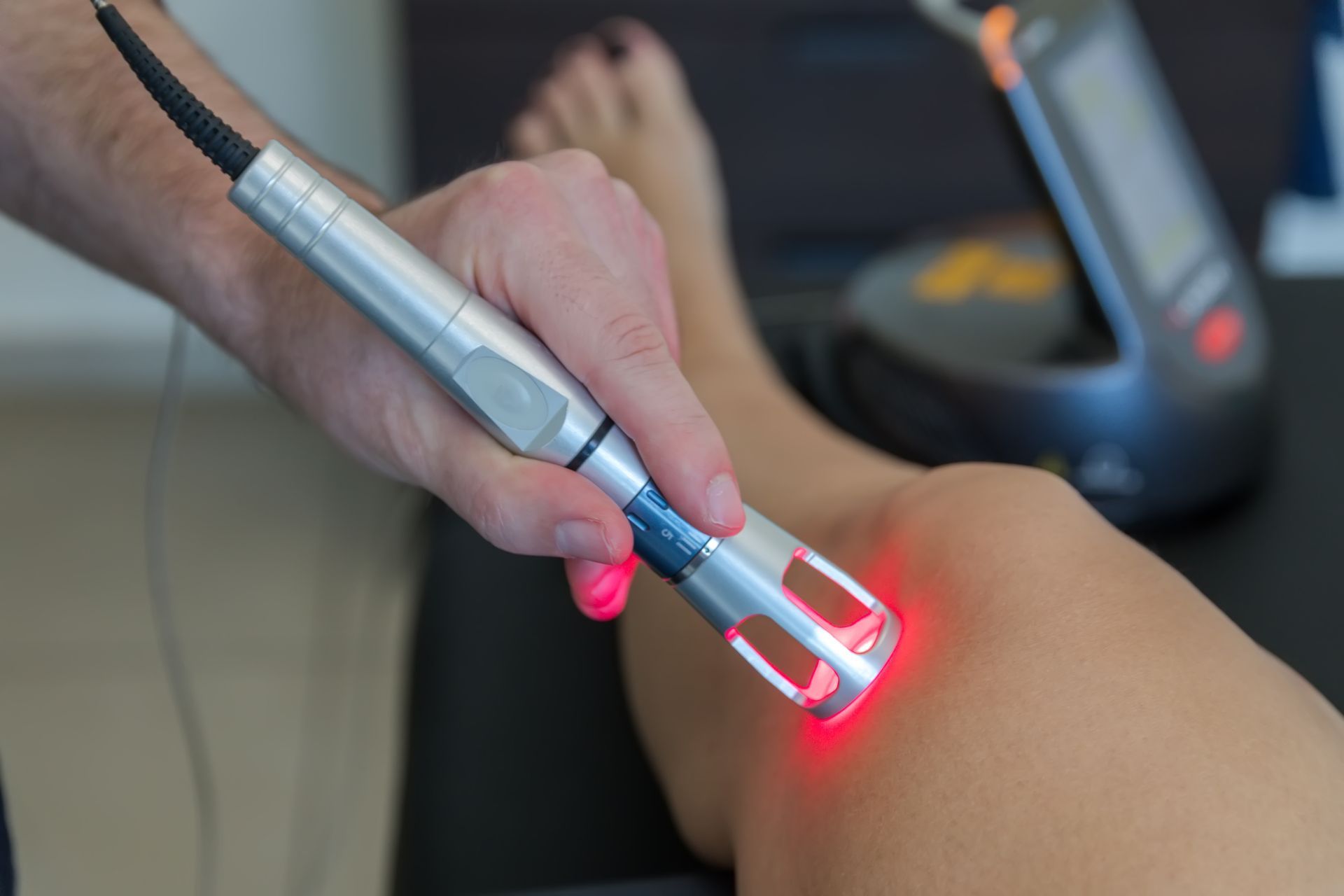
- Gentle warmth in the area being treated
- A soothing feeling (some folks describe it like a heating pad, but more targeted)
- Occasional tingling or “awareness” in the tissue
Sensations that should be mentioned immediately
Stay with me here—this part matters. You should speak up right away if you feel:
- Sharp heat or burning
- Skin stinging that doesn’t settle quickly
- Unexpected, intense discomfort (especially over bony areas or very sensitive tissue)
Most of the time, this is solved by adjusting technique, settings, distance, or duration. The goal isn’t to “tough it out.” The goal is a safe, therapeutic dose.
Class IV laser therapy side effects: what’s typical, what’s rare
Let’s talk about class iv laser therapy side effects in plain language. The most common ones tend to be mild and temporary.
Typical side effects (usually mild)
- Temporary redness of the skin in the treated area
- Mild soreness or tenderness afterward (kind of like you “woke up” a cranky area)
- A short-lived pain flare in some people—especially if the area is very inflamed or sensitive
That last one surprises people. We all want a straight line to feeling better, but bodies don’t always work that way. A brief flare doesn’t automatically mean something went wrong—though it’s always worth telling your provider so they can tailor the plan.
Less common risks (but worth knowing)
- Skin irritation if the area is very sensitive or if there’s friction/heat buildup
- Burn risk if protocols aren’t followed (this is one reason training and proper settings are non-negotiable)
- Eye injury risk if appropriate protective eyewear isn’t used (this is why clinics take laser goggles seriously)
What frustrates me is when people hear “laser” and assume the worst—when the bigger issue is usually the basics: screening, technique, and safety culture.
Precautions that matter (the stuff a good clinic won’t skip)
If you’re considering care, here are the practical safety habits you should expect:
- Proper eye protection for you and the clinician
- A health history review (not just “where does it hurt?” but “what else is going on?”)
- Skin check over the treatment area (irritation, wounds, unusual lesions)
- Thoughtful dosing (power, time, location—tailored, not one-size-fits-all)
- Clear communication : you should feel comfortable saying, “That feels too hot”
And yes—if you’re the type who tends to push through discomfort (athletes, I’m looking at you), this is your reminder: laser therapy isn’t a grit contest.
Who is a good candidate for laser therapy?
This is the part people really want, because nobody wants to waste time (or money) on something that isn’t a fit.
In my experience, who is a good candidate for laser therapy often includes people who:
- Want a non-invasive , drug-free option to support pain relief
- Are dealing with joint or muscle pain that’s limiting daily life
- Have sports injuries or overuse issues and want to support recovery
- Have post-surgical discomfort and are looking for a conservative support tool (with their provider’s OK)
- Prefer approaches that can pair well with physical therapy, mobility work, and strengthening
If you want to zoom out and read about why people seek laser therapy in the first place—especially for longer-term pain—this companion piece is worth your time: Benefits of Non-Invasive Laser Therapy for Chronic Pain Management.
Who should be cautious (or may not be a candidate)
This is where I get extra candid, because safety isn’t just about what happens in the room—it’s about who we’re treating and where .
Depending on your situation, you might need extra screening, modified treatment, or a different approach entirely. Common examples clinics often treat as precautions or contraindications include:
- Pregnancy (especially avoiding treatment over the abdomen/low back—ask your provider)
- Known or suspected cancer in the area (this needs medical clearance and careful decision-making)
- Direct treatment over the eyes (generally avoided; eye safety is a big deal)
- Areas of active bleeding or certain acute conditions where heat/light exposure may be inappropriate
- Photosensitivity or medications that increase light sensitivity (you’ll want to disclose these)
- Significant loss of sensation in the area (because you may not feel excessive heat)
- Unexplained pain that hasn’t been evaluated (rule out red flags first)
Notice what I’m not doing: I’m not telling you “yes” or “no” from a blog post. But I am saying this—if a clinic doesn’t ask these questions, that’s a red flag.
Risk vs. benefit: how I’d think about it if it were my body
We’ve all been there: you’ve tried stretching, rest, maybe meds you don’t love, and you’re tired of playing whack-a-mole with pain. The appeal of laser therapy is that it’s non-invasive and typically has minimal downtime .
If you’re weighing it out, here’s a grounded way to think about it:
- Potential upsides: may help reduce pain, support tissue recovery, and improve function for some conditions—especially when paired with a smart rehab plan
- Potential downsides: cost, time, and the possibility of mild temporary side effects (and, rarely, avoidable issues if safety protocols aren’t followed)
The sweet spot is when you’re a good fit clinically, you’re being treated by trained professionals, and you’re using laser therapy as part of a bigger plan—not a magic wand.
Questions I’d ask before starting (steal these)
If you’re evaluating a provider, these questions can save you a lot of guesswork:
- “What conditions do you see the best results with?”
- “What side effects should I watch for, and what would you want me to report?”
- “Do you screen for contraindications like pregnancy, cancer history, or photosensitivity?”
- “How do you decide the dose and number of sessions?”
- “Will this be combined with movement/rehab recommendations?”
You deserve clear answers. If you feel rushed or brushed off, listen to that feeling.
The bottom line
So— is class iv laser therapy safe ? Typically, yes, when performed correctly with proper screening and safety protocols. Most people experience mild sensations like warmth, and class iv laser therapy side effects are usually minimal and short-lived. The key is making sure you’re a good fit and that the clinic takes precautions seriously.
If you’re curious about whether you’re a candidate, the best next step is a conversation with a qualified provider who can review your history and goals. Pain is personal—your plan should be, too.