Does Laser Therapy Really Work for Chronic Back Pain?

May 22, 2026

Share this article

HomeBlog

Chronic back pain can turn everyday tasks—driving, sleeping, even standing at the kitchen counter—into a negotiation with your body. If you’re researching laser therapy for chronic back pain in Athens, Ga , you’re probably trying to figure out one thing: is it a legitimate option or just another “sounds nice” idea that won’t hold up in real life. This guide is for people who want a non-invasive approach and prefer to understand what’s happening, what a session is like, and what “results” realistically means in healthcare.

As spring routines pick up and people get more active again, back pain often becomes harder to ignore—especially when yardwork, travel, or longer walks are back on the calendar. The goal here is to help you make a clear, informed decision using practical expectations, not hype.

If you want to explore local options, you can learn more about laser therapy for chronic back pain in Athens, Ga at Luma Pain Relief Laser Center.

The Essentials: Does It Work?

  • Laser therapy can be a reasonable option for some people with ongoing back pain, especially when pain involves irritated soft tissue or stubborn muscle tightness.
  • It’s non-invasive and typically does not require downtime, which appeals to people trying to stay active.
  • “Work” should mean functional improvement (moving easier, tolerating activity better), not a guaranteed cure or instant fix.
  • Response varies based on the cause of pain, how long it’s been present, and individual factors.
  • A plan matters : consistent sessions and clear goals tend to be more helpful than one-off visits.

How Laser Therapy for Back Pain Is Intended to Help

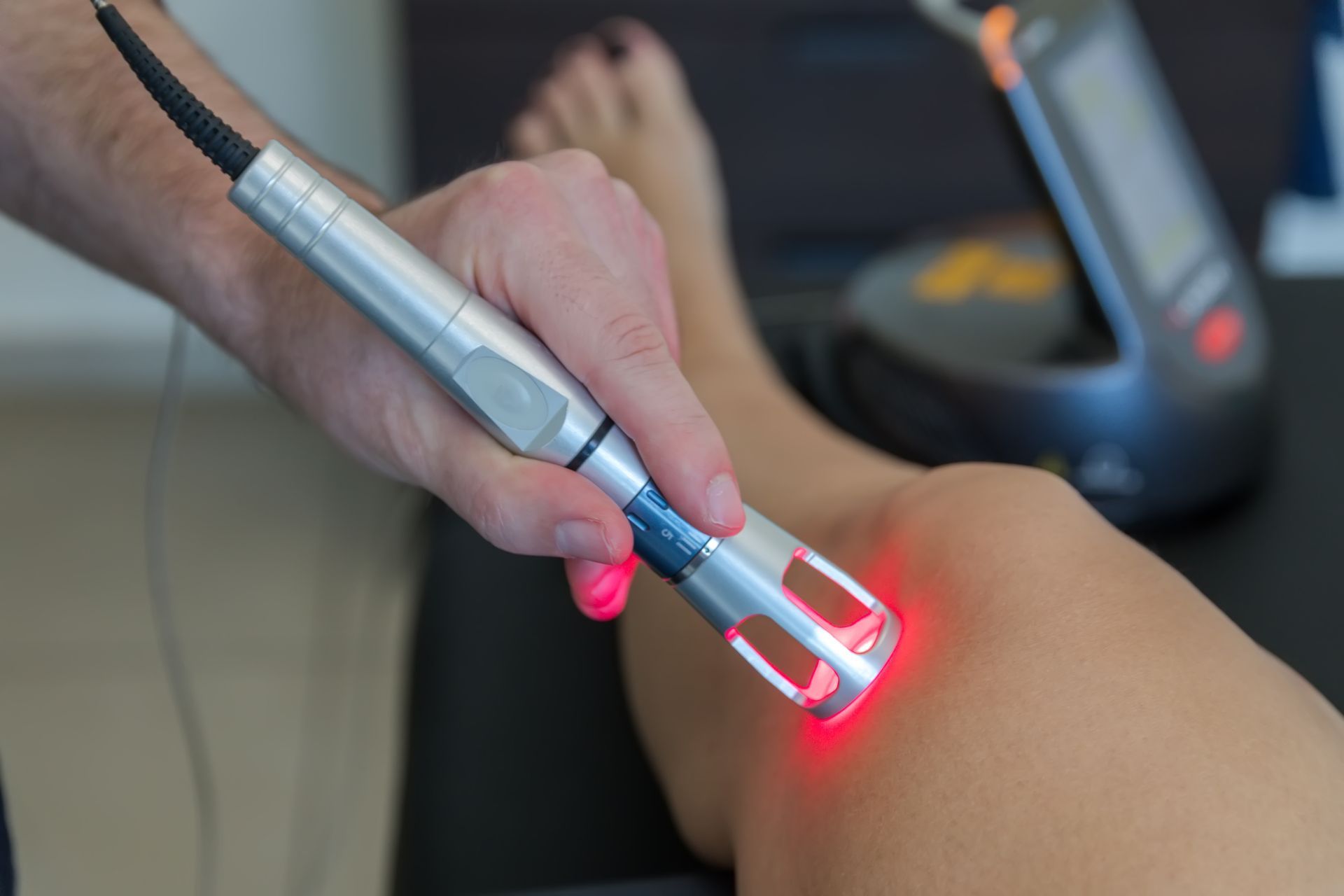
Laser therapy (often called “photobiomodulation”) uses specific wavelengths of light applied to targeted areas. The intent is to support the body’s natural processes related to pain modulation and tissue recovery. In plain terms: the treatment is designed to help irritated, overworked, or injured tissues calm down so you can move more comfortably.

What a session typically feels like

Many people describe a gentle warming sensation at the treatment site, though experiences vary. Sessions are generally brief and focused on the specific areas contributing to symptoms (for example, low back muscles, gluteal attachments, or areas of referred discomfort).

Why “chronic” back pain is different

When pain has been present for months (or longer), it often involves more than a single irritated spot. You may be dealing with protective muscle guarding, sensitivity around nerves, reduced tolerance to certain movements, or lingering inflammation from an old strain. That’s why expectations should center on progress over time—such as improved mobility, better sleep tolerance, or being able to sit/stand longer—rather than a one-and-done outcome.

What’s at Stake If You Ignore Ongoing Back Pain

Waiting it out can be tempting—especially if you’ve tried a few things already. But persistent back pain can have ripple effects that go beyond discomfort.

  • Activity avoidance can lead to deconditioning, which may make flare-ups easier to trigger.
  • Sleep disruption can increase fatigue and reduce pain tolerance the next day.
  • Work and home limitations can add stress, and stress can amplify pain perception.
  • Compensations (moving differently to “protect” your back) can irritate hips, knees, or the opposite side.
  • Costs stack up when you repeatedly try short-term fixes without a plan.

Common Missteps That Make Back Pain Harder to Improve (Checklist)

  • Chasing a single magic fix — Chronic pain usually responds better to a structured plan than a one-time intervention.
  • Only treating where it hurts — Low back discomfort can be influenced by surrounding areas (glutes, hamstrings, mid-back), depending on your pattern.
  • Stopping as soon as you feel a little better — Early relief can be real, but consistency is often key to lasting functional gains.
  • Overdoing activity on “good days” — A sudden spike in lifting, yardwork, or long walks can trigger a setback.
  • Ignoring red-flag symptoms — Some signs require medical evaluation rather than self-management.

A Smart Plan for Trying Laser Therapy (Checklist)

  • Clarify your goal : e.g., “sit through a movie,” “walk 20 minutes,” or “sleep with fewer wake-ups.”
  • Track your baseline : note pain patterns, triggers, and what movements feel limited before you start.
  • Commit to a short trial window : discuss an initial series of sessions and how progress will be evaluated.
  • Pair treatment with pacing : keep activity steady and avoid big swings in workload while you assess response.
  • Ask what area is being targeted and why : understanding the “why” helps you judge whether the plan fits your symptoms.
  • Re-check progress : focus on function (movement tolerance, daily tasks) in addition to pain scores.

Professional Insight: What Most People Miss

In practice, we often see that people get the most value when they define success as better function and fewer flare-ups , not a perfect, pain-free day every day. When expectations are realistic and progress is measured in practical milestones, it’s easier to tell whether laser therapy is a good fit for your situation.

When It’s Time to Get Professional Help for Back Pain

If you’re unsure whether laser therapy is appropriate—or whether your symptoms need a different kind of evaluation—these are common reasons to seek professional guidance:

  • Pain lasting longer than a few weeks with limited improvement.
  • Pain that repeatedly flares with normal activities (sitting, bending, lifting light items).
  • Radiating symptoms such as numbness, tingling, or burning sensations down a leg.
  • Night pain or sleep disruption that’s becoming your “new normal.”
  • New or worsening symptoms that concern you or limit daily function.

If you have severe symptoms, sudden weakness, or changes in bowel/bladder control, seek urgent medical evaluation.

Common Questions Answered

How many sessions does it usually take to notice a change?

It varies. Some people notice changes sooner, while others need a consistent series of sessions before they can judge whether it’s helping. A provider should explain what progress markers to look for and when to reassess.

Is this the same as chiropractic adjustments or physical therapy?

No. Laser therapy is a non-invasive modality focused on applying therapeutic light to targeted tissues. It’s different from spinal manipulation and different from exercise-based rehab programs.

Can laser therapy help if my back pain goes down my leg?

Radiating symptoms can have different causes. Laser therapy may be used as part of a plan in some cases, but it’s important to get a clear assessment of your symptom pattern and appropriate next steps.

What should I do after a session to get the most out of it?

Most people do best with steady pacing—avoid suddenly increasing lifting, yardwork, or long walks right after you start feeling better. Track what activities feel easier and share that feedback at your next visit.

Is it safe for everyone?

Not always. Candidacy depends on your health history and the area being treated. A qualified provider should review contraindications and safety considerations with you before starting.

Your Next Steps

Laser therapy can be a practical, non-invasive option for some people dealing with persistent back pain—especially when the goal is improved function and fewer disruptions to daily life. The best way to evaluate it is with clear expectations, a defined trial plan, and honest tracking of what changes over time. If you’re comparing options and want a focused approach that doesn’t rely on chiropractic adjustments or physical therapy sessions, asking detailed questions upfront can save you time and frustration.

Learn More About Our Services

Discover how we can help you achieve your goals.

Recent Posts

By Luma Pain Relief Laser Center April 23, 2026
Spring sports overuse pain? Learn how a pain relief laser approach can support recovery, plus seasonal tips and when to get help.

Class IV Remy Laser Therapy - Luma Pain Relief Laser Center

February 23, 2026
Class IV Remy Laser Therapy - Luma Pain Relief Laser Center
January 21, 2026
Wondering if Class IV laser therapy is safe? Learn common sensations, possible side effects, key precautions, and who’s a good candidate for treatment.
January 20, 2026
Curious about Class IV laser therapy? Here’s a step-by-step walkthrough of what a session feels like—from check-in to aftercare—so you can relax.