Laser Therapy FAQ for Athens Patients
Laser therapy can sound a little sci-fi at first—especially if you’re dealing with stubborn joint, nerve, or back pain and you’re trying to figure out what’s real, what’s hype, and what’s actually a fit for your life. This laser therapy FAQ is for people who want a clear, beginner-friendly explanation of what laser sessions typically involve, what problems it may be used for, and how it compares to more traditional routes like chiropractic adjustments or physical therapy. It matters because the “right” pain-relief plan is often the one you can realistically stick with—without guessing, overcommitting, or feeling pressured into something that doesn’t match your needs. With summer schedules shifting and routines changing, many people also look for options that are straightforward and time-efficient.
At Luma Pain Relief Laser Center, our focus is Class IV Remy Laser Therapy as a non-invasive option that may help support pain relief and recovery for a range of musculoskeletal and nerve-related complaints. Results vary by person and condition, but understanding the process ahead of time can help you make a more confident decision.
If you’re specifically searching for laser therapy FAQ in Athens, GA , this guide walks through the most common questions we hear from new patients.
The Essentials: Laser Therapy FAQ in Plain Terms
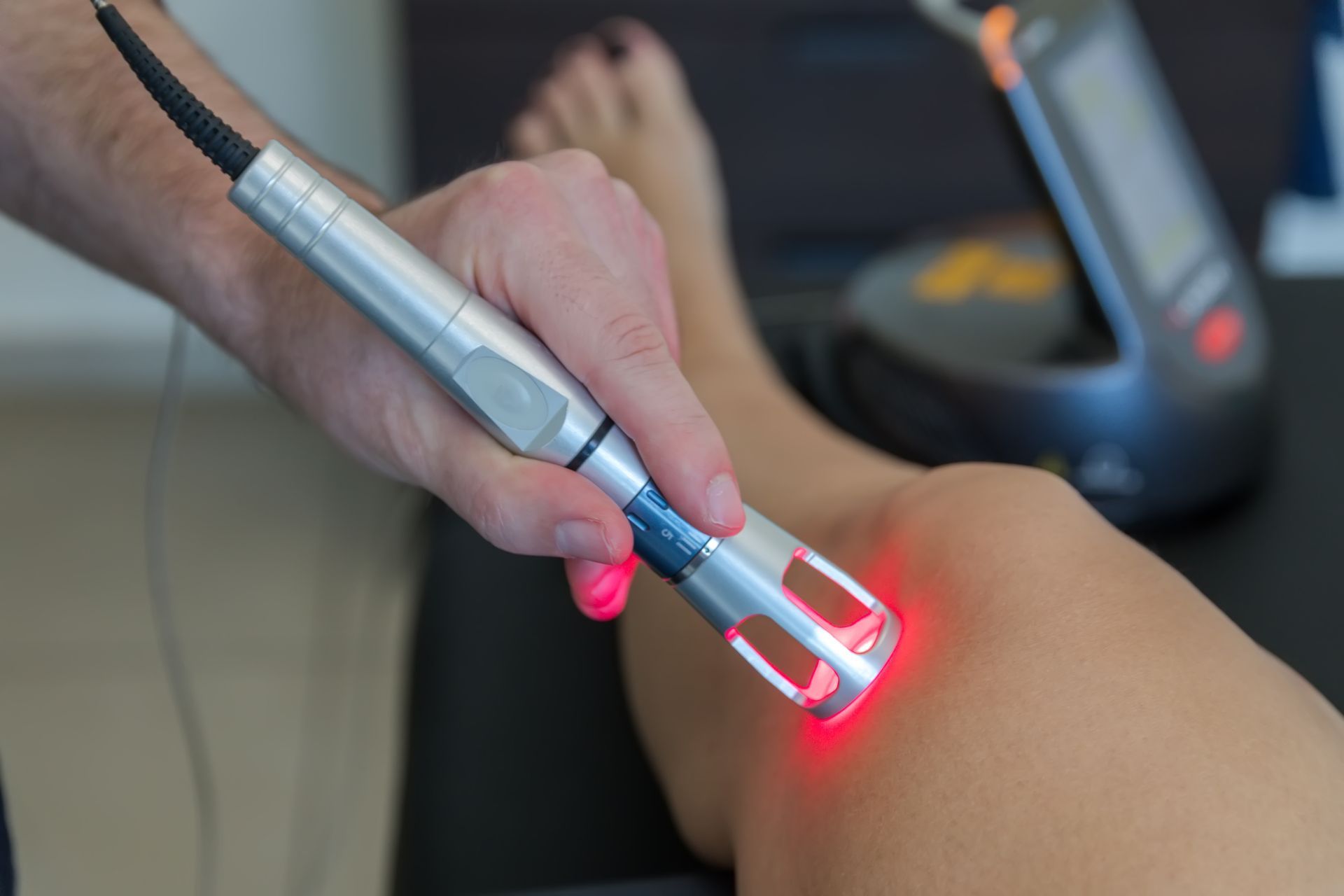
- Laser therapy is non-invasive: sessions are typically performed with a handheld laser device applied over targeted areas—no injections and no surgical procedures.
- It’s often used for pain and soft-tissue concerns: people commonly ask about arthritis discomfort, joint pain, back pain, nerve pain, sciatica-like symptoms, sports injuries, and post-surgical soreness.
- Plans are usually built as a series: many people need multiple sessions; how many depends on your goals, how long you’ve had symptoms, and how your body responds.
- You don’t have to choose “either/or” forever: some people use laser therapy as a standalone approach, while others use it alongside guidance from their broader healthcare team.
- It’s different from chiropractic and PT: laser therapy does not involve spinal adjustments or supervised exercise programs—so the experience and expectations are different.
How Class IV Laser Sessions Typically Work (Without the Mystery)
Class IV laser therapy uses specific wavelengths of light delivered at therapeutic power levels. In simple terms, the device is applied over the area of concern, and the light energy is intended to interact with tissue in a way that may support the body’s natural recovery processes. People often pursue it because it’s non-invasive and sessions are generally straightforward.
During a visit, the provider typically:
- Reviews your symptoms and goals (for example: walking with less discomfort, sleeping better, returning to a hobby)
- Targets specific regions (such as a knee, low back, shoulder, or a nerve-pain distribution)
- Adjusts the approach based on sensitivity, tissue area, and how you respond over time
Because every case is different, it’s best to treat laser therapy as a process: you assess how you respond, track functional changes, and adjust the plan as needed.
Why This Decision Can Affect Your Time, Budget, and Comfort
Most people aren’t just asking “Does it work?”—they’re asking practical questions: “How long will this take?” “Will I be sore after?” “Is this going to fit into my week?” Those considerations matter because consistency tends to be a major factor in any conservative care plan.
- Time: Laser therapy is often pursued because visits can be efficient compared to longer, exercise-based appointments.
- Comfort: Many people choose non-invasive options specifically to avoid aggressive manual techniques or post-session flare-ups. Individual responses vary.
- Cost planning: Since care is commonly delivered in a series, it helps to ask about recommended frequency and re-evaluation points so you can plan realistically.
- Opportunity cost: Waiting can sometimes mean symptoms become more entrenched, which may require a longer runway to see meaningful functional improvement.
Common Missteps New Patients Make (Checklist)
- □ Expecting a one-visit “fix”: Some people feel changes quickly, but many need a series to evaluate response and build momentum.
- □ Not clarifying the goal: “Less pain” is valid, but pairing it with a functional target (stairs, sleep, walking distance) makes progress easier to measure.
- □ Comparing it to chiropractic adjustments: Laser therapy doesn’t involve manipulation; if you’re expecting cracking/adjusting, the experience will feel different.
- □ Comparing it to physical therapy: Laser sessions aren’t the same as a structured strengthening and mobility program with home exercises.
- □ Ignoring medical context: If you have complex symptoms, new numbness/weakness, or unexplained pain, you should involve an appropriate medical professional.
A Smart Plan for Getting the Most Out of Laser Therapy (Checklist)
- □ Bring a simple symptom timeline: when it started, what aggravates it, and what you’ve tried.
- □ Pick 1–2 measurable outcomes: examples: “stand through dinner,” “sleep on my side,” “walk the dog without stopping.”
- □ Ask about a typical visit cadence: understand how often sessions are recommended early on and when progress is re-checked.
- □ Track response for 24–48 hours: note changes in pain, stiffness, range of motion, or activity tolerance.
- □ Coordinate with your broader care team when needed: especially if you’re managing post-surgical recovery, neuropathy symptoms, or multiple conditions.
Professional Insight: What Most People Miss at the Start
In practice, we often see that the people who feel most confident about their decision are the ones who treat early sessions as “information-gathering” rather than a pass/fail test. They pay attention to small functional wins—like getting up from a chair more smoothly or feeling less guarded during daily movement—and use that feedback to decide whether continuing makes sense for them.
When It’s Time to Ask for Professional Help
Laser therapy can be one part of a conservative plan, but some situations call for medical evaluation first or alongside any supportive care. Consider getting help promptly if you notice:
- Severe or rapidly worsening pain
- New numbness, tingling, or weakness that’s progressing
- Loss of balance, coordination, or changes in bowel/bladder control
- Unexplained swelling, redness, fever, or warmth around a joint or surgical site
- Post-surgical pain that feels unusual or doesn’t match your surgeon’s expectations
Your Questions, Answered: Beginner Laser Therapy FAQs
What does a laser therapy session feel like?
Many people report a gentle warming sensation or no strong sensation at all, depending on the area treated and individual sensitivity. If anything feels uncomfortable, the provider can typically adjust the approach.
How is this different from chiropractic care?
Chiropractic care commonly involves manual adjustments and joint manipulation. Laser therapy is a non-invasive modality that does not include spinal adjustments.
How is this different from physical therapy?
Physical therapy typically centers on evaluation plus guided exercise, mobility work, and a home program. Laser therapy sessions focus on applying therapeutic light to targeted areas and do not replace a structured strengthening plan when one is needed.
How many visits do people usually need?
It varies widely based on the condition, how long symptoms have been present, and your goals. Many plans are delivered as a series with re-checks to see how you’re responding before continuing.
Can laser therapy be used for nerve-related pain?
Some people seek laser therapy for nerve-related discomfort (such as neuropathy symptoms or radiating pain patterns). Whether it’s appropriate depends on your overall clinical picture, so it’s worth discussing your symptoms and any relevant diagnoses with a qualified professional.
Moving Forward
Laser therapy is a practical, non-invasive option many people explore when they want a conservative approach to pain that doesn’t rely on chiropractic adjustments or a full physical therapy program. The best starting point is clarity: what you want to change, how you’ll measure progress, and what a realistic plan looks like. If you’re considering Class IV Remy Laser Therapy, a short conversation can help you decide whether it fits your situation. Still have questions? We’re happy to help you understand what to expect and what to ask.
Get in Touch
Fill out our quick form and we'll get back to you within 24 hours.