Summer Trigger Finger Pain Relief Guide
Trigger finger pain can turn simple summer plans—driving, grilling, gardening, or wrangling luggage—into a frustrating cycle of catching, stiffness, and soreness. If you’re noticing your finger “locks” or clicks when you bend or straighten it, you’re not alone, and it’s worth addressing early. This guide is for anyone juggling work, travel, sports, or home projects who wants practical, low-drama steps to reduce irritation and protect hand function. In Athens, GA, summer schedules often pack in more activity, which can mean more repetitive gripping and less recovery time for your hands.
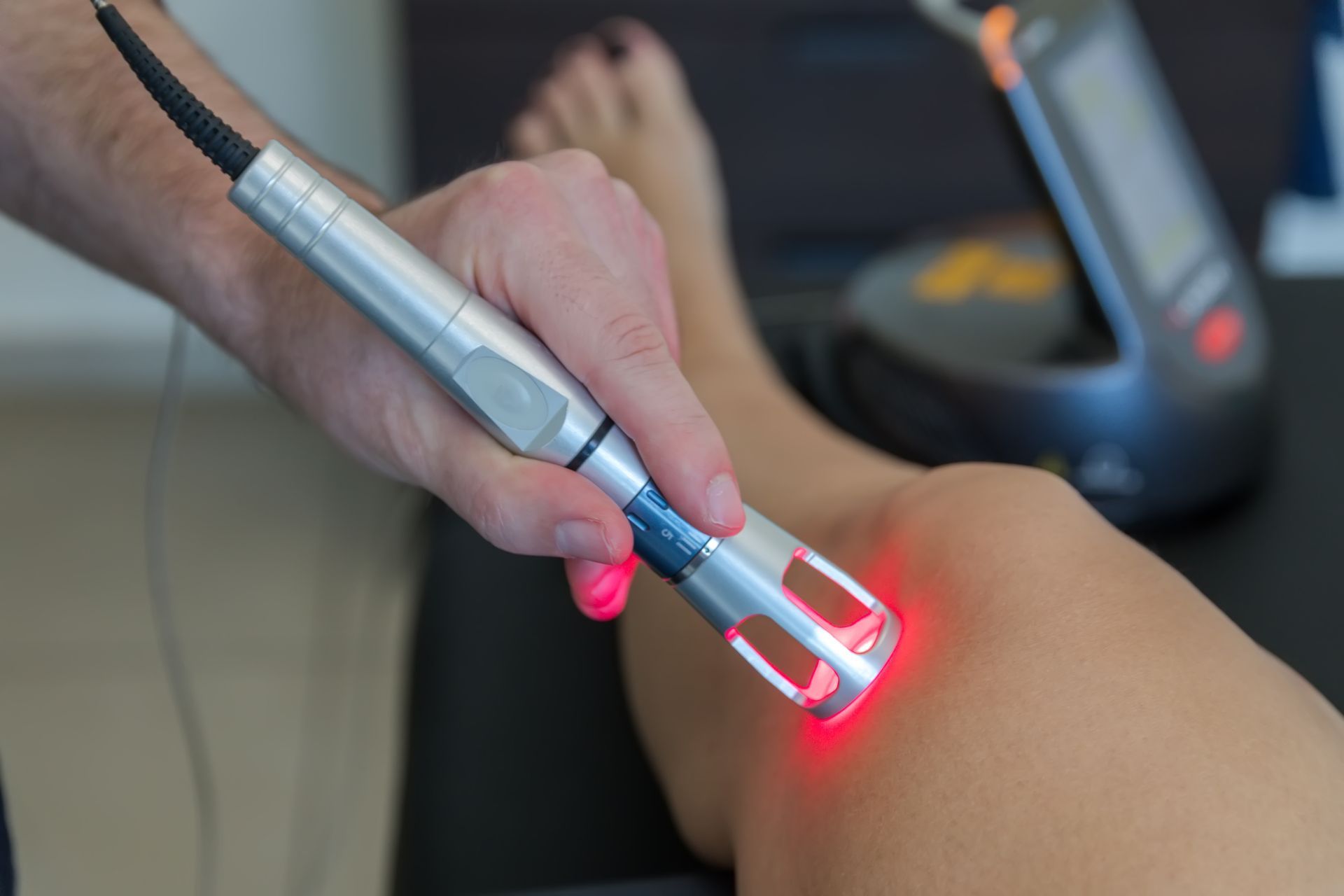
For a deeper foundation on non-invasive options, you can also review our Understanding Laser Therapy for Pain Relief guide.
Key Points to Know Before You Push Through It
- Early action matters: Reducing repetitive gripping and addressing inflammation quickly can help prevent a mild issue from becoming a persistent one.
- Modify, don’t “power through”: Small changes (tool grips, breaks, splints) often reduce aggravation more than sheer willpower.
- Heat and gentle motion can help stiffness: Many people feel better after warming the hand and moving within a comfortable range.
- Watch for red flags: frequent locking, worsening pain, or loss of function are signals to get evaluated.
- Non-invasive care may be an option: Depending on your situation, conservative approaches can be considered before more invasive steps.
What’s Actually Happening When a Finger “Catches”
Triggering typically involves irritation around the tendon that bends your finger and the pulley system that guides that tendon. When that area becomes inflamed or thickened, the tendon may not glide smoothly. The result can feel like clicking, popping, or a brief “stuck” moment when you try to straighten the finger.
Summer can add fuel to the fire because hands often do more repetitive gripping : yard tools, golf clubs, pickleball paddles, beach gear, coolers, and long drives with sustained hand positions. Even “fun” activity can be a lot of volume for small joints and tendons.
Why Timing Matters in the Summer Months
When you keep irritating the tendon-pulley system, symptoms can become more frequent and harder to calm down. Practically, that can mean:
- More disrupted sleep: morning stiffness or nighttime aching can make rest less restorative.
- Less grip confidence: you may avoid lifting, carrying, or sports because you don’t trust the finger.
- Longer recovery window: the longer irritation persists, the more consistent your routine often needs to be.
- More compensation: shifting load to other fingers or the wrist can create new sore spots.
If your summer calendar is full, the most realistic strategy is often to reduce flare-ups now so you can keep doing what you enjoy with fewer setbacks.
Common Missteps That Keep Finger Symptoms Lingering
- ☐ Ignoring repeated clicking/locking: Occasional stiffness is one thing; recurring catching is a sign to change something.
- ☐ Doubling down on tight grips: White-knuckle gripping tools, steering wheels, or weights often increases irritation.
- ☐ Stretching aggressively into pain: Forcing the finger straight can backfire; aim for gentle, controlled range.
- ☐ Skipping breaks during projects: Long “one more task” sessions add up—micro-breaks are underrated.
- ☐ Assuming one home remedy fits everyone: What helps one person (ice, heat, bracing) may not match your trigger pattern or activity level.
- ☐ Waiting until you lose function: If you can’t fully open/close the hand comfortably, it’s time to reassess.
A Smart Summer Action Plan to Calm Irritation
- ☐ Reduce high-volume gripping for 7–14 days: Rotate tasks, switch hands when possible, and avoid long continuous tool use.
- ☐ Use a larger handle diameter: Add grip tape or choose tools with thicker handles to reduce tendon strain.
- ☐ Try brief, frequent recovery breaks: 60–90 seconds of hand relaxation every 15–20 minutes during repetitive tasks.
- ☐ Warm up before activity: Warm water soak or a warm compress for 5–10 minutes can reduce stiffness for some people.
- ☐ Gentle tendon-friendly motion: Slow open/close of the hand within comfort, stopping short of sharp pain or hard locking.
- ☐ Consider a night splint or rest support: Keeping the finger from curling tightly during sleep may reduce morning symptoms for some.
- ☐ Track your triggers: Note what activities cause next-day catching—this helps you modify the right thing, not everything.
Professional Insight: The Pattern We Often Notice
In practice, we often see that people improve faster when they identify their highest-friction habits —like sustained gripping during yard work or long drives—and adjust those first, rather than trying to “stretch it out” while continuing the same workload. Small, consistent changes tend to be easier to stick with than a full shutdown of activity.
When to Seek Help for Locking, Clicking, or Hand Weakness
Consider getting professional guidance if you notice any of the following:
- Locking that happens daily or requires the other hand to straighten the finger
- Symptoms lasting more than 2–3 weeks despite activity changes and basic home care
- Worsening pain at the base of the finger or in the palm with gripping
- Reduced range of motion or you can’t comfortably make a fist and open the hand
- Numbness/tingling or spreading symptoms into the hand/wrist (needs evaluation to rule out other issues)
If you’re local to Athens, GA and summer activities are aggravating your hand, a consult can help you pinpoint what’s driving the irritation and what options fit your goals.
Your Questions, Answered
Is clicking in a finger always a problem?
Not always, but repeated clicking, catching, or locking—especially with pain or stiffness—usually means the tendon isn’t gliding smoothly. If it’s frequent or getting worse, it’s worth addressing.
Should I use ice or heat for finger stiffness?
Some people prefer heat for stiffness and ice after activities that cause soreness. If one approach increases discomfort, switch strategies and keep sessions short.
Can gripping tools and sports equipment make symptoms worse?
Yes. Repetitive gripping and sustained squeeze positions can aggravate irritated tendons. Larger grips, padded handles, and planned breaks often help reduce strain.
Do I need to stop all hand activity to improve?
Usually not. Many people do better with targeted modifications—reducing the most aggravating tasks, changing grip mechanics, and adding recovery time—rather than complete rest.
What non-invasive options might be considered for hand pain?
Depending on the individual, options may include activity modification, bracing, guided exercises, and other conservative therapies. A clinician can help match the approach to your symptoms and daily demands.
Taking Action Before Summer Activities Take Over
Finger catching and soreness can be manageable, but it’s easier to calm down when you intervene early and reduce the specific grips and routines that keep re-irritating the tendon. Use the checklists above to adjust your tools, your timing, and your recovery breaks. If symptoms are persistent, worsening, or limiting your grip, getting a clear plan can save you weeks of trial and error.
Book Your Consultation
Schedule a free consultation with our experts.