Class IV laser therapy vs chiropractic

August 6, 2026

Share this article

HomeBlog

Choosing a care option when nerve-related foot or hand symptoms won’t quit can feel like guesswork—especially if you’re trying to stay non-invasive and avoid a long cycle of trial-and-error. This comparison is for people weighing Class IV laser therapy against chiropractic care, particularly when the goal is Neuropathy Pain relief and better day-to-day function. The right choice matters because time, cost, and comfort add up fast when pain disrupts sleep, walking, work, and workouts. And if summer schedules have you on your feet more (or traveling), small flare-ups can suddenly feel a lot bigger.

Below, we’ll break down how each option works, what each is best suited for, what to watch out for, and how to decide based on your symptoms and preferences—without hype or promises.

If you’re exploring Neuropathy Pain relief in Athens, GA, this guide will help you ask better questions and choose a plan you can actually stick with.

Laser Therapy vs Chiropractic

  • They’re different tools: Class IV laser therapy aims to support tissue recovery and calm pain by delivering light energy to targeted areas; chiropractic focuses on joint mechanics and spinal/extremity alignment.
  • Best fit depends on the driver: Nerve irritation, soft-tissue sensitivity, and post-surgical or scar-related discomfort may respond differently than pain driven by joint restriction or movement patterns.
  • Neither is a guaranteed fix: Both approaches can be part of a broader plan, and results vary based on diagnosis, health history, and consistency.
  • Comfort and time commitment differ: Laser sessions are typically brief and non-manipulative; chiropractic often involves hands-on adjustments and may include a longer course of visits.
  • Safety starts with screening: New numbness, progressive weakness, severe swelling, or sudden changes should be medically evaluated before any conservative care.

How Class IV Laser Therapy and Chiropractic Care Differ

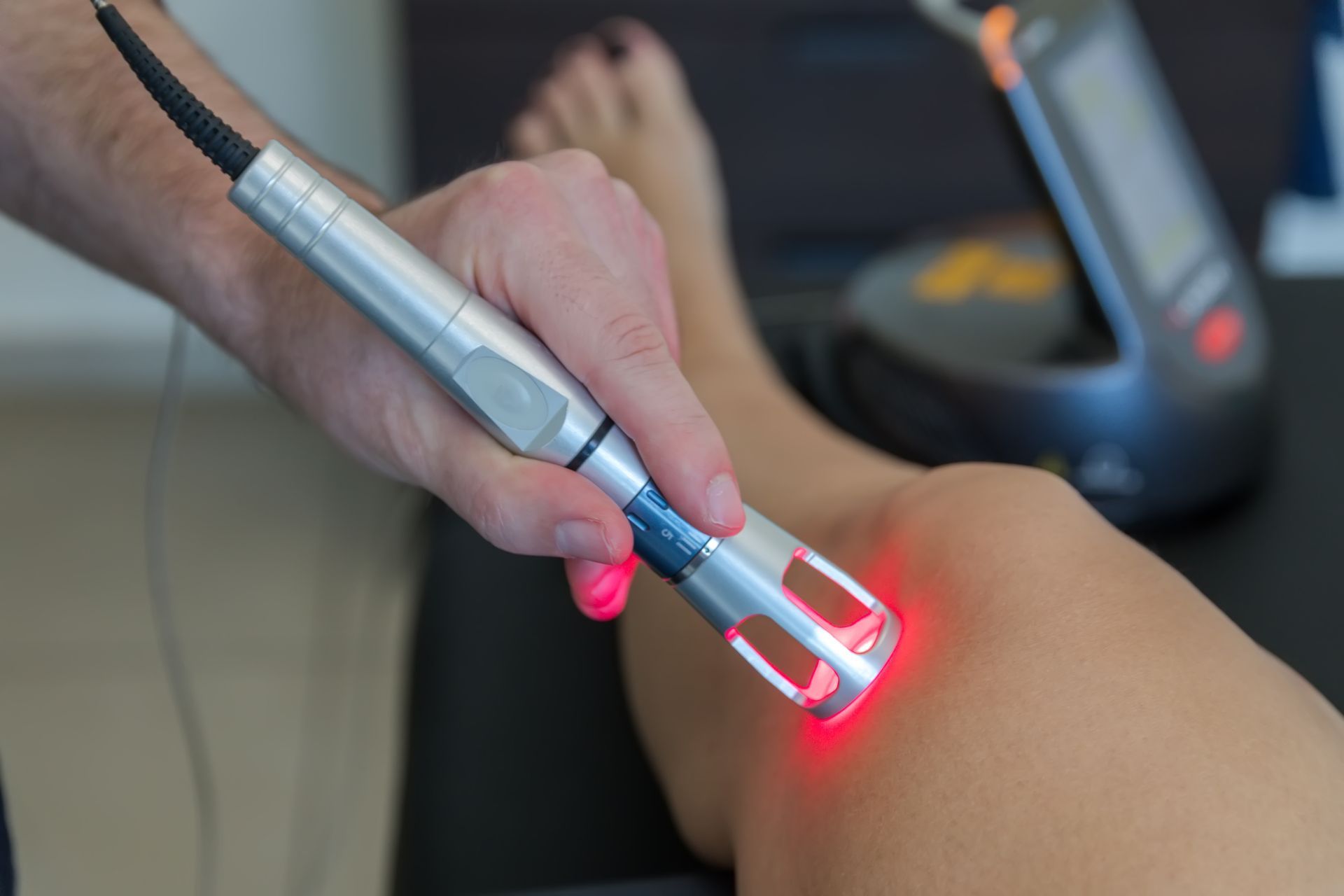
Class IV laser therapy (sometimes called high-power therapeutic laser) uses specific wavelengths of light applied over targeted areas. In plain language: the goal is to deliver light energy that may help support the body’s natural repair processes, reduce sensitivity, and improve comfort. Many people choose it because it’s non-invasive and doesn’t require spinal manipulation.

Chiropractic care focuses on how joints move—often emphasizing the spine, but also hips, shoulders, knees, and feet depending on the provider. Adjustments and other manual techniques aim to improve joint motion and reduce mechanical stress that can contribute to pain. Some patients like chiropractic because they want a hands-on approach to movement and alignment.

Comparison criteria Class IV laser therapy Chiropractic care
Main focus Targeted pain modulation and tissue support in a specific area Joint mechanics, alignment, and movement patterns
What you feel Typically gentle warmth or nothing noticeable Hands-on manipulation; may include popping sounds; pressure varies
Common visit style Short sessions focused on the symptomatic region Exam + adjustments; may include stretches or home guidance (varies)
Best suited for People wanting a non-manipulative option; localized nerve/soft-tissue discomfort; sensitivity around scars or overuse areas People whose symptoms track with stiffness, posture, or movement limits; mechanical back/neck complaints
Limitations Not a substitute for medical evaluation of systemic or progressive neurologic issues May be less targeted for localized nerve sensitivity if joint mechanics aren’t the main contributor

Time, Comfort, and Value

Time: Both options often involve a series of visits rather than a one-and-done appointment. Laser therapy visits are commonly brief, which can help if your schedule is tight. Chiropractic care may involve longer appointments early on, especially if the provider is addressing multiple regions or movement patterns.

Comfort and preference: If you’re uncomfortable with adjustments—or you’ve tried them and didn’t like the after-feel—laser therapy may be a better match. If you enjoy hands-on care and your pain clearly correlates with stiffness or restricted motion, chiropractic may feel more intuitive.

Cost/value considerations: Pricing varies widely by clinic, plan length, and what’s included. A practical way to compare value is to ask:

  • How many visits are typically recommended before reassessing?
  • What is the plan if you don’t notice meaningful change?
  • Are there clear at-home steps to support results?

Common Missteps People Make When Choosing Care

  • ☐ Treating “neuropathy” like a single, simple problem: Nerve symptoms can have different drivers; the best plan depends on what’s contributing in your case.
  • ☐ Skipping medical screening for red-flag symptoms: Progressive weakness, sudden numbness, or bowel/bladder changes need prompt medical evaluation.
  • ☐ Chasing the fastest-sounding promise: Be cautious with anyone guaranteeing results or “permanent” fixes.
  • ☐ Not defining success: Decide what matters—sleeping better, walking longer, fewer flare-ups—so you can judge progress realistically.
  • ☐ Changing too many variables at once: Starting three new treatments plus new shoes plus new supplements makes it hard to know what’s helping (or hurting).

A Smart Decision Checklist

  • ☐ Map your symptoms: Note where you feel burning/tingling, what triggers it, and what helps (rest, shoes, heat, movement).
  • ☐ Ask what the plan targets: Is the goal joint motion, soft tissue irritation, nerve sensitivity, or a combination?
  • ☐ Request a reassessment point: Agree on a time to evaluate response and adjust the plan.
  • ☐ Confirm comfort and boundaries: If you don’t want manipulation, say so. If you’re fine with it, ask what techniques are used and why.
  • ☐ Support the basics: Footwear, pacing, and gentle mobility often matter as much as the in-office service.

What Most People Miss

In practice, we often see that people do better when their plan matches the dominant driver of their symptoms—rather than choosing based on what’s most popular. If your discomfort behaves like a localized sensitivity problem (touch, pressure, or activity sets it off), a targeted, non-manipulative approach can be easier to tolerate and stick with. If your symptoms track closely with stiffness and movement restriction, addressing mechanics may be the missing piece.

When It’s Time to Get Professional Help

  • Symptoms are worsening over weeks instead of stabilizing or improving.
  • New or progressive weakness , frequent tripping, or loss of coordination.
  • Significant numbness that changes your ability to work, drive, or exercise safely.
  • Night pain or sleep disruption that persists despite basic self-care.
  • You’ve tried conservative steps (activity modification, footwear changes, gentle mobility) and still can’t function the way you need to.

Your Questions, Answered

Is Class IV laser therapy the same thing as a heat treatment?

No. While some people notice mild warmth, the intent is not simply heating tissue. The therapy uses light energy applied to targeted areas, and the experience is typically comfortable and non-invasive.

Do I have to choose one option only?

Not necessarily. Some people use different approaches at different times depending on what’s driving symptoms. The key is having a clear plan and reassessment point so you’re not stacking treatments without direction.

How many sessions should I try before deciding if it’s helping?

That depends on your history and symptom pattern. A reasonable approach is to ask the provider to outline an initial plan and the specific milestones they’ll use to reassess and adjust.

What should I tell a provider at the first visit?

Bring a short timeline of symptoms, what makes them better or worse, relevant diagnoses, surgeries, and medications, plus any red-flag changes (like weakness or rapidly spreading numbness).

Can these options replace medical care for nerve conditions?

No. If you have new, severe, or progressive neurologic symptoms—or a known condition that requires medical management—conservative services should be coordinated with appropriate medical evaluation and guidance.

Call Luma Pain Relief Center for our Class IV Laser Therapy

Class IV laser therapy and chiropractic care are both non-surgical options, but they’re designed to solve different problems. If you want a non-manipulative, targeted approach, laser therapy may be a better match. If your pain is closely tied to stiffness and mechanical restriction, chiropractic may be worth discussing with a qualified provider. Either way, define your goals, set a reassessment point, and prioritize safety screening when symptoms change.

Recent Posts

By Luma Pain Relief Laser Center July 2, 2026
Learn sciatica warning signs after summer travel, what they mean, and when to seek help for radiating leg pain or numbness.
By Luma Pain Relief Laser Center June 23, 2026
Summer guide to trigger finger pain: reduce locking, protect grip, and know when to seek help with practical, seasonal tips.
By Luma Pain Relief Laser Center June 2, 2026
laser therapy FAQ for beginners: what to expect, how sessions work, and how it compares to chiropractic care or physical therapy.
By Luma Pain Relief Laser Center May 23, 2026
laser therapy for chronic back pain in Athens, Ga: what it is, what to expect, and how to decide if it’s a fit.
By Luma Pain Relief Laser Center April 23, 2026
Spring sports overuse pain? Learn how a pain relief laser approach can support recovery, plus seasonal tips and when to get help.

Class IV Remy Laser Therapy - Luma Pain Relief Laser Center

February 23, 2026
Class IV Remy Laser Therapy - Luma Pain Relief Laser Center
January 21, 2026
Wondering if Class IV laser therapy is safe? Learn common sensations, possible side effects, key precautions, and who’s a good candidate for treatment.
January 20, 2026
Curious about Class IV laser therapy? Here’s a step-by-step walkthrough of what a session feels like—from check-in to aftercare—so you can relax.