How laser Therapy Helps Shoulder Pain
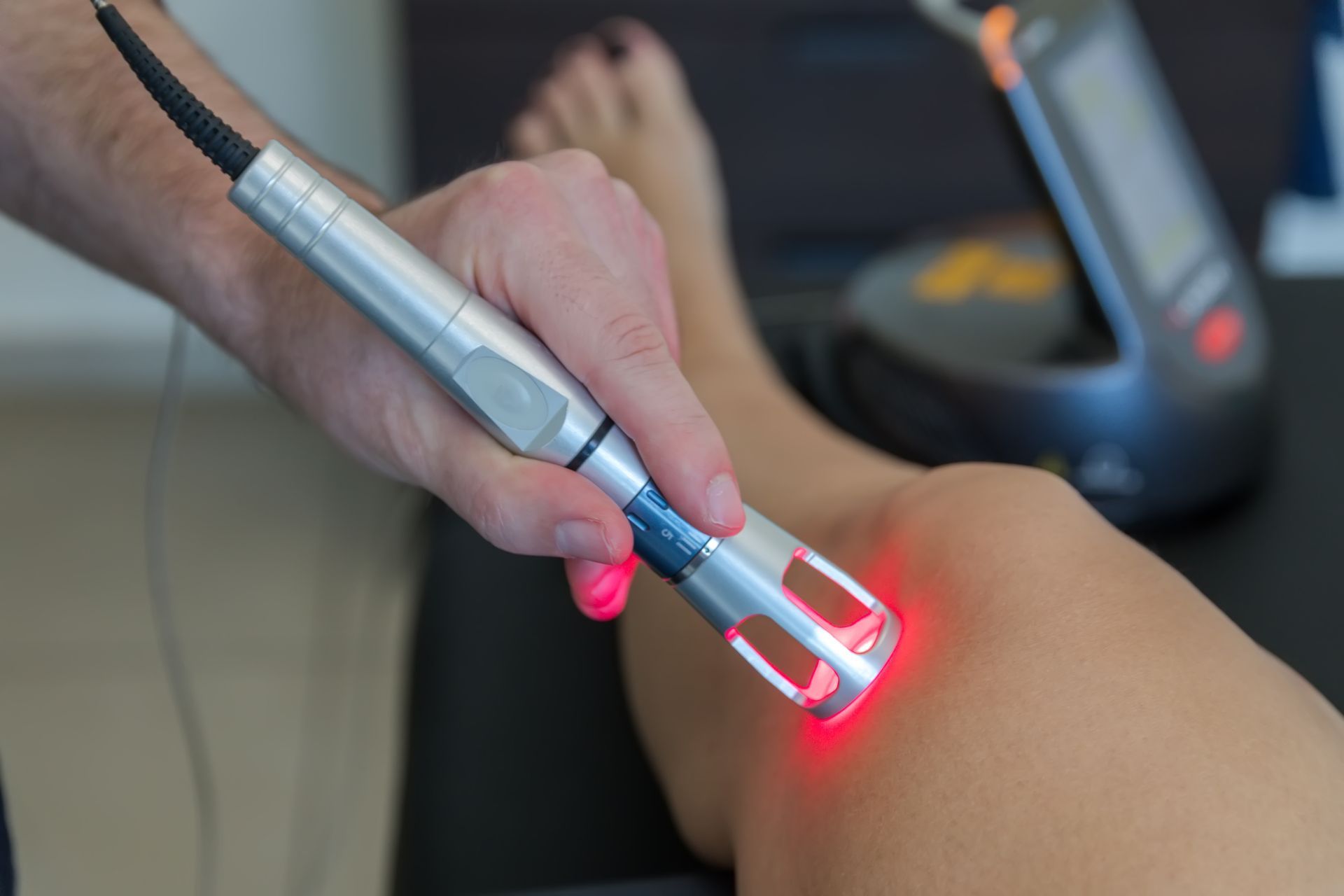
Class IV laser therapy (a form of photobiomodulation) may help shoulder pain by delivering light energy to targeted tissues, which can support cellular processes involved in pain modulation and inflammation control. The usual goals are to reduce tenderness, improve range of motion, and make everyday movements—reaching, lifting, sleeping—more tolerable while tissues recover. Results vary by condition and how long symptoms have been present, so it’s typically used as part of a broader plan rather than a guaranteed one-time fix.
As routines tighten up during back-to-routine season, shoulder flare-ups often feel less “manageable” and more like a daily bottleneck. The goal here is to help you take smart steps, avoid common missteps, and know when it’s time to get professional help.
If you’re considering laser therapy shoulder pain in Athens, GA, the steps below will help you organize symptoms, set expectations, and get more value from a consultation.
The Essentials for Getting Started
- Start with a clear symptom snapshot: where it hurts, what triggers it, and what movements are limited.
- Know what laser therapy is (and isn’t): it’s non-invasive and typically used to support pain reduction and tissue recovery, not a guaranteed “one-and-done” fix.
- Expect a plan, not a single session: many people are scheduled for a series of visits based on response and goals.
- Bring your shoulder history: prior injuries, surgeries, imaging reports, and what you’ve tried already.
- Use objective checkpoints: track sleep, reach overhead, lifting tolerance, and pain during specific tasks.
What to Expect From Class IV Sessions
Class IV laser therapy is a type of photobiomodulation that delivers specific wavelengths of light to targeted tissues. In plain terms, the light energy is absorbed by cells and may help support natural processes involved in calming pain signals and supporting tissue recovery. For shoulder complaints—often involving tendons, muscles, bursae, or irritated nerves—the goal is usually to reduce sensitivity and improve function so daily movement becomes easier. (For background on mechanisms and clinical use, see the World Association for Photobiomodulation Therapy: https://waltpbm.org/ and the NIH/NLM overview of low-level light therapy: https://www.ncbi.nlm.nih.gov/books/NBK537381/.)
A typical visit includes a short clinical check-in (what changed since last time), then targeted application of the laser over the painful area and related structures. The sensation varies: many people report warmth, while others feel very little. Treatment plans are usually adjusted based on how your symptoms respond over time.
Why Timing and Follow-Through Affect Results
Shoulder pain can become “sticky” because people unconsciously move less to avoid discomfort. That can lead to stiffness, weaker supporting muscles, and compensations through the neck or upper back. Delaying care may mean you’re not just addressing pain—you’re also addressing a pattern that has settled in.
Practical implications to consider:
- Time: you may need multiple sessions plus simple home habits (like activity modification) to see meaningful change.
- Cost planning: a series-based approach can be easier to budget for than chasing one-off solutions.
- Safety: some shoulder pain is referred from the neck or related to systemic issues; getting the right assessment matters.
- Outcomes: clearer goals (sleeping through the night, reaching overhead, returning to sport) help measure progress realistically.
Common Missteps That Slow Shoulder Progress
- □ Treating the shoulder like a single “spot” problem: shoulder pain can involve the rotator cuff, biceps tendon, shoulder blade mechanics, or the neck, so the most helpful plan often looks beyond the exact point of pain.
- □ Waiting for pain to disappear before moving: complete rest can increase stiffness; guided, tolerable movement is often part of recovery.
- □ Measuring success only by pain level: track function (sleep, reach, lift) so you can see real change even if pain fluctuates.
- □ Doing aggressive stretching through sharp pain: forcing range can irritate tissues and create setbacks.
- □ Hiding key history: prior surgery, dislocations, or neck symptoms change what “smart next steps” look like.
- □ Expecting a guaranteed outcome: response varies by condition, duration, and contributing factors.
Your Step-by-Step Plan to Try Laser Therapy for Shoulder Pain
Prerequisites: a basic timeline of your symptoms, a list of current medications/supplements, and any relevant imaging or prior treatment notes (if you have them).
- Define your shoulder problem in one sentence.
- Do: write something like “Pain on the front of my shoulder when reaching overhead, worse at night.”
- Tip: include what you can’t do now that you want to do again (sleep on that side, lift groceries, play tennis).
- Map your triggers and your “safe” movements.
- Do: list 3 movements that reliably worsen symptoms and 3 that feel okay.
- Tip: note if pain radiates down the arm or is paired with neck tightness—this can guide what areas get addressed.
- Collect your history and prior attempts.
- Do: bring past diagnoses (if any), surgery dates, injections, braces/slings used, and what helped or didn’t.
- Tip: if you don’t have records, a simple timeline (“started after yard work,” “worse after a fall”) is still useful.
- Set measurable goals for the next 2–4 weeks.
- Do: choose 2–3 outcomes like “sleep without waking,” “reach the top shelf,” or “put on a jacket comfortably.”
- Tip: use a 0–10 scale for pain during one specific task to track change consistently.
- Ask what the treatment plan is and how progress will be evaluated.
- Do: request clarity on session frequency, reassessment points, and what would prompt a change in approach.
- Tip: a good plan includes checkpoints (range of motion, functional tasks, sleep quality), not just “see how you feel.”
- Support sessions with shoulder-friendly daily habits.
- Do: avoid repeatedly provoking movements (like heavy overhead lifting) while you’re trying to calm symptoms.
- Tip: small changes—like adjusting sleep position or workstation height—can reduce daily irritation.
What Most People Miss Early On
Clinicians often find that shoulder discomfort isn’t confined to one pinpoint location. Pain can involve a wider “neighborhood” of tissues—front of shoulder, upper arm, shoulder blade region, and sometimes the neck—so evaluation commonly looks at how those areas work together. A plan that considers related structures can be easier to follow because it targets movement patterns and irritations that may keep symptoms cycling.
When to Seek Medical Help for Shoulder Symptoms
Laser therapy can be a supportive option for many musculoskeletal complaints, but some situations need prompt medical evaluation first. Consider getting medical help if you notice:
- Sudden inability to lift the arm or a visible deformity after an injury
- Severe pain with swelling, warmth, redness, or fever
- Numbness, tingling, or weakness that is worsening or spreading
- Chest pain, shortness of breath, dizziness, or sweating alongside shoulder/arm discomfort
- Persistent night pain that doesn’t improve with position changes or basic self-care
Who It May Help / Who Should Avoid or Get Clearance First
It may help: people with non-emergency, musculoskeletal shoulder problems where goals include reducing pain and improving function—such as overuse-related tendon irritation, stiffness, or soft-tissue strain—after an appropriate evaluation.
Get medical clearance first (or avoid until cleared):
- Pregnancy: ask your OB/GYN or primary care clinician before any therapeutic laser treatment.
- Known or suspected cancer in the area being treated, or unexplained lumps—get evaluated first.
- Active infection, open wounds, or unexplained skin changes near the treatment area—seek medical guidance.
- Light sensitivity or photosensitizing medications: confirm safety with your prescribing clinician.
- Implanted electronic devices (for example, pacemakers): ask your cardiologist/implanting physician and the treating clinic about precautions.
- Eye safety: therapeutic lasers require proper protective eyewear; never look at the beam.
If your shoulder pain started after a significant injury, is rapidly worsening, or comes with systemic symptoms (fever, unexplained weight loss, severe night pain), coordinate with a physician before starting any modality.
Common Questions Answered
What does a Class IV laser session feel like on the shoulder?
Many people report mild warmth or a soothing sensation, while others feel very little during application. Sensation can vary based on settings, tissue sensitivity, and the area treated.
How many visits do people usually need?
Plans are often set as a short series and adjusted based on response. The right number depends on factors like how long symptoms have been present, what structures are involved, and functional goals.
Can this be used if I’ve had shoulder surgery in the past?
It may be considered in some post-surgical situations, but suitability depends on your medical history and where you are in recovery. Bring operative notes or rehab guidance if you have them, and ask your clinician what’s appropriate for you.
Should I stop activity while I’m trying laser sessions?
Many people do best with modified activity—avoiding repeated aggravating movements while staying gently active within comfortable limits. Your provider can help you identify which movements to pause and which to keep.
Is laser treatment the same thing as chiropractic or physical therapy?
No. Laser therapy is a specific, non-invasive modality. Chiropractic care and physical therapy are separate services with different methods and goals.
Where to Go from Here
Shoulder pain doesn’t respond well to guesswork, especially when sleep and daily function are on the line. A clear symptom snapshot, realistic goals, and a plan you can follow make it easier to evaluate whether laser therapy is helping. If you’re exploring a non-invasive approach, a consultation is a straightforward way to match your symptoms to an appropriate plan and expectations.
Schedule a consultation to discuss your symptoms, goals, and whether Class IV laser therapy may be appropriate for you.