Fall Joint Pain Checklist for Athens

October 8, 2026

Share this article

Home › Blog

Fall joint pain can sneak up fast when your routine changes—more yard work, weekend sports, and longer stretches at a desk after summer schedules fade. If you’re an active adult, a busy parent, or someone managing ongoing stiffness, a simple checklist can help you spot what’s driving flare-ups and what to do next without guessing. The goal isn’t to “push through it,” but to make smarter choices that protect your joints, reduce aggravation, and keep you moving comfortably.

As back-to-routine season ramps up, small overuse patterns (extra steps, extra lifting, fewer warm-ups) can add up quickly—especially in knees, hips, ankles, shoulders, and hands. In Athens, common fall triggers can include weekend leaf cleanup and yard projects, longer walks on hilly routes, pickup games and rec-league sports, and returning to gym or training plans after a summer lull.

If you’re looking for local options, start here: laser therapy for joint pain in Athens, GA.

The Essentials for Fast Relief Decisions

  • ✓ Treat it like a “load problem” first. Many seasonal flare-ups come from doing more (or different) activity than your joints are conditioned for.
  • ✓ Track patterns for 3–7 days. Note which movements trigger symptoms (stairs, squats, gripping, running, sitting) so you can adjust the right variable.
  • ✓ Use a warm-up that matches the activity. A short, targeted warm-up often reduces stiffness and helps you move more smoothly.
  • ✓ Don’t ignore swelling, heat, or night pain. Those are signals to slow down and consider professional guidance.
  • ✓ Non-invasive options may help some people. Class IV laser therapy is commonly used in pain-focused clinics as a non-invasive approach for musculoskeletal discomfort, but results vary by person and condition.

A Practical Checklist for Overuse and Seasonal Flare-Ups

Seasonal joint flare-ups often come down to a mismatch between what your tissues can tolerate and what you’re asking them to do. In fall, that mismatch commonly shows up as:

  • More volume: extra walking, practices, tournaments, or yard work days.
  • More intensity: heavier lifting, faster pace, steeper hills, or “weekend warrior” bursts.
  • More repetition: raking, leaf blowing, gripping tools, throwing, or long drives.
  • Less preparation: fewer warm-ups, less mobility work, shorter recovery windows.

For many people, the fastest improvements come from changing one variable at a time—load, technique, footwear/equipment, recovery, or pain-calming strategies—so you can see what actually helps. In Athens, that might mean adjusting how long you spend on leaf cleanup, breaking yard work into shorter blocks, easing back into local trails or hilly walks, or scaling down weekend sports intensity until your joints re-adapt.

Why Waiting Can Make Seasonal Joint Pain Harder to Settle

Delaying action doesn’t guarantee things will worsen, but it can make the situation more stubborn. Common practical impacts include:

  • Time: compensations (limping, guarding, avoiding certain motions) can create new aches in other areas.
  • Activity limits: you may reduce movement overall, which can increase stiffness and deconditioning.
  • Sleep disruption: discomfort at night can reduce recovery and make pain feel more intense.
  • Decision fatigue: trying random fixes (new brace, new shoes, new stretches daily) can blur what’s working.

Common Checklist Mistakes That Keep Joints Irritated

  • ✓ Mistake: “Rest only” for long stretches. Total rest can reduce tolerance. Many joints do better with modified movement rather than a full stop.
  • ✓ Mistake: Changing everything at once. New shoes, new workout, new supplements, new stretches—then you can’t tell what helped (or hurt).
  • ✓ Mistake: Skipping warm-up and jumping into peak effort. Cold start + high demand is a common recipe for flare-ups.
  • ✓ Mistake: Forcing painful range of motion. “No pain, no gain” can backfire for irritated joints; aim for tolerable movement.
  • ✓ Mistake: Ignoring swelling or heat. Those signs often mean you need to reduce load and reassess.
  • ✓ Mistake: Treating the symptom but not the trigger. Ice/heat can feel good, but if the workload stays the same, relief may be short-lived.

Your High-Priority Action Plan

  • ✓ Log your triggers for one week. Write down the top 2–3 movements or activities that reliably increase discomfort.
  • ✓ Reduce load modestly for about a week (if safe for you). Start by cutting one lever—distance, weight, hills, pace, or practice time—by a small-to-moderate amount, then reassess. Use your symptoms to guide the next step: if pain is trending down and you’re not getting next-day flare-ups, keep the plan or add back a little; if pain is the same or worse, reduce a bit more or change the trigger activity.
  • ✓ Use a 5–8 minute warm-up. Example: gentle joint circles + easy reps of the activity pattern (bodyweight squats before yard lifting, light jog before sprints).
  • ✓ Prioritize recovery basics. Sleep, hydration, and pacing often matter more than “perfect” stretches.
  • ✓ Consider non-invasive pain-focused care. If you want an option that doesn’t involve chiropractic adjustments or physical therapy sessions, laser therapy may be a discussion point with a provider.
  • ✓ Re-test intelligently. After a week of changes, reintroduce activity gradually and see what your joint tolerates. A simple rule: increase only one variable at a time (time, intensity, or frequency) and watch how the joint feels later that day and the next morning.

The Pattern People Miss in Seasonal Flare-Ups

A common pattern is blaming “the weather” when the bigger driver is a sudden spike in repetitive tasks—leaf cleanup, weekend sports, or a new training block—without a ramp-up. If your joint pain shows up right after a workload change, treat that change as the most likely lever: scale the task, add a warm-up, and rebuild tolerance step-by-step.

When It’s Time to Seek Help for Joint Symptoms

Medical disclaimer: This article is general education, not medical advice. If you’re unsure what’s safe for you—especially with new swelling, redness, fever, or pain after a fall—get evaluated by a qualified clinician.

  • ✓ Self-care / monitor (next 24–72 hours): mild-to-moderate soreness that improves with a modest activity reduction, gentle movement, and a simple warm-up; no significant swelling; you can bear weight and use the joint normally.
  • ✓ Schedule an evaluation (next few days): pain that persists beyond 2–3 weeks despite load reduction and basic self-care; visible swelling, warmth, or redness around a joint; locking, buckling, or giving way in a knee/ankle/hip; numbness, tingling, or burning sensations; night pain or symptoms that are steadily worsening.
  • ✓ Urgent care / ER now: inability to bear weight or use the limb; severe swelling or rapidly increasing redness/warmth; fever or feeling ill with a hot, swollen joint; new pain after a fall or impact (especially with deformity, a “pop,” or immediate swelling); chest pain, shortness of breath, or other emergency symptoms.

For Athens next steps, common starting points include your primary care provider, an orthopedic or sports medicine clinic, or a physical therapist for movement assessment. If you’re exploring non-invasive pain relief options, you can also ask a local provider whether laser therapy is appropriate for your situation.

Common Questions About Seasonal Joint Flare-Ups

How do I tell if my joint pain is from overuse or an injury?

Overuse discomfort often builds gradually and correlates with volume or repetition, while an injury is more likely after a specific twist, impact, or “pop” event. If you have swelling, instability, or trouble bearing weight, consider getting evaluated.

What’s a simple warm-up that helps stiff knees or hips?

Try 5–8 minutes of easy movement: gentle marching, controlled leg swings, hip circles, and a few slow bodyweight squats to a comfortable depth. The best warm-up mirrors the activity you’re about to do.

Can Class IV laser therapy help with joint discomfort?

Laser therapy is a non-invasive modality that some clinics use to support pain relief and comfort in musculoskeletal conditions. Response varies by person, and it’s best discussed with a provider who can review your symptoms and goals.

Do I need to stop exercising if my joints flare up in the fall?

Not always. Many people do better with modified activity—reducing intensity, range, or volume—rather than stopping completely. If symptoms are sharp, worsening, or accompanied by swelling or instability, seek guidance.

What should I avoid doing if my joint is swollen?

Avoid pushing heavy loads, forcing painful range of motion, or “testing it” repeatedly throughout the day. Reduce demand, monitor changes, and consider medical evaluation if swelling is significant or persistent.

Moving Forward Without Guesswork

Seasonal flare-ups are often manageable when you identify the trigger, reduce load strategically, and rebuild tolerance with a simple plan. Use the checklist to keep changes targeted and measurable. If you want a non-invasive option that focuses on pain relief—without chiropractic or physical therapy services—laser therapy may be worth discussing with a local provider.

Get Luma Pain Relief Laser Center first on Google. Add us as a preferred source and Google will show more of our content in your Top Stories and AI results. Add Luma Pain Relief Laser Center as a preferred source on Google →

Recent Posts

By Luma Pain Relief Laser Center • September 2, 2026
Laser therapy shoulder pain: steps to prepare, what to expect in Class IV sessions, and how to track progress safely.
By Luma Pain Relief Laser Center • August 6, 2026
Neuropathy Pain relief: compare Class IV laser therapy vs chiropractic—pros, cons, costs, and how to choose a non-invasive plan.
By Luma Pain Relief Laser Center • July 2, 2026
Learn sciatica warning signs after summer travel, what they mean, and when to seek help for radiating leg pain or numbness.
By Luma Pain Relief Laser Center • June 23, 2026
Summer guide to trigger finger pain: reduce locking, protect grip, and know when to seek help with practical, seasonal tips.
By Luma Pain Relief Laser Center • June 2, 2026
laser therapy FAQ for beginners: what to expect, how sessions work, and how it compares to chiropractic care or physical therapy.
By Luma Pain Relief Laser Center • May 23, 2026
laser therapy for chronic back pain in Athens, Ga: what it is, what to expect, and how to decide if it’s a fit.
By Luma Pain Relief Laser Center • April 23, 2026
Spring sports overuse pain? Learn how a pain relief laser approach can support recovery, plus seasonal tips and when to get help.

Class IV Remy Laser Therapy - Luma Pain Relief Laser Center
February 23, 2026
Class IV Remy Laser Therapy - Luma Pain Relief Laser Center
January 21, 2026
Wondering if Class IV laser therapy is safe? Learn common sensations, possible side effects, key precautions, and who’s a good candidate for treatment.
January 20, 2026
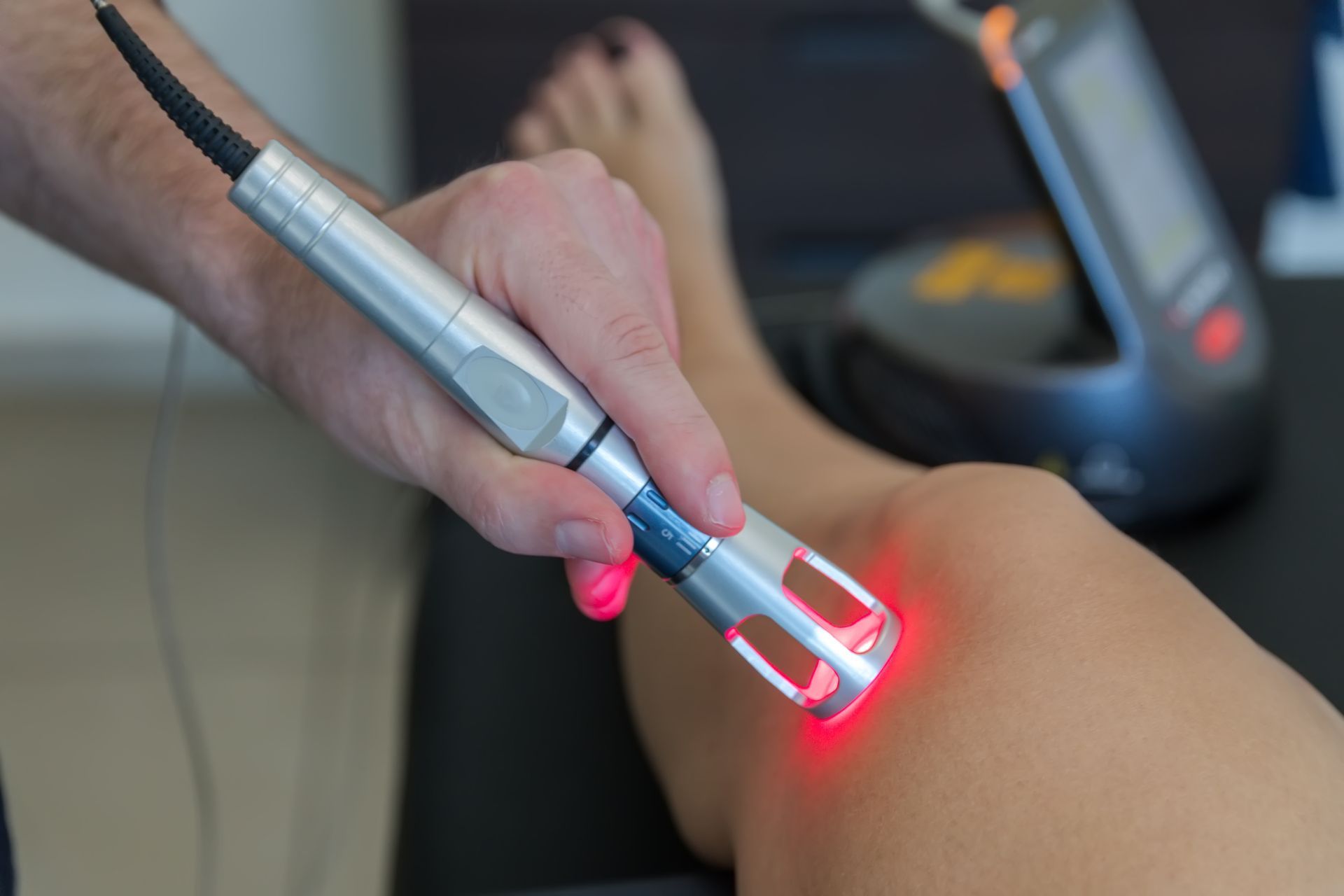
Curious about Class IV laser therapy? Here’s a step-by-step walkthrough of what a session feels like—from check-in to aftercare—so you can relax.